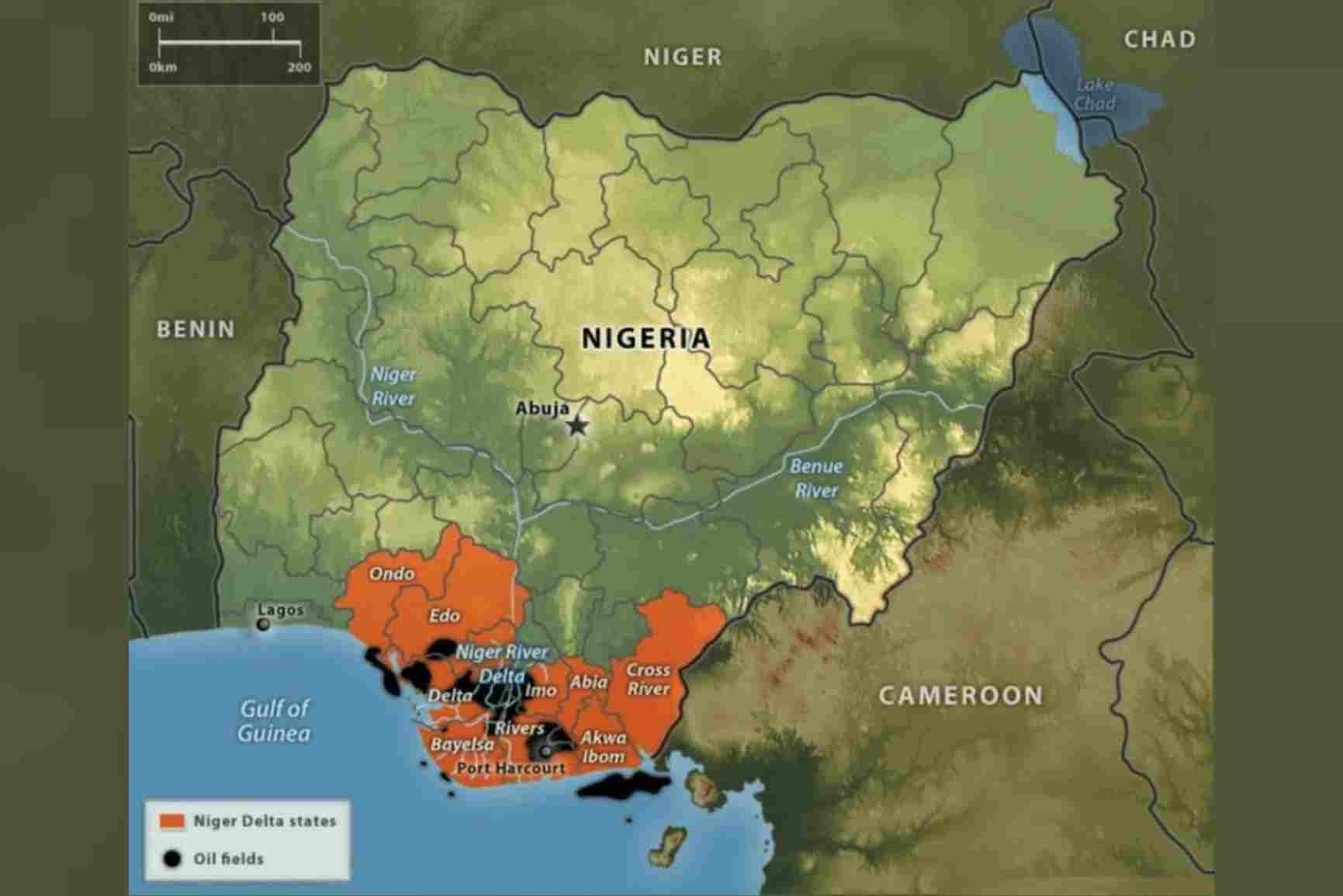
BOLA TINUBU AND THE CHINA LESSON: Is Nigeria Following the Chinese Playbook? By Akinwumi
I was watching a clip on Monday and the gentleman being interviewed (apologies I did not get his name) referred to a June 2025 report titled “How China Got Rich: A Deep Dive into China's 40-Year History of Economic Transformation”… One thing that jumped at me in the report was that rather than claiming China lifted 100s million out of poverty, we could actually say 100s of million of Chinese people pulled themselves out of poverty. The government just created an enabling environment by providing consistent policy. Come with me.
The body that produced the report is called "The World Economic Forum". The reports offers an interesting framework that one could use in assessing President Bola Tinubu's administration.
At first glance, Nigeria and China seem too different to compare. China has a one-party system, while Nigeria is a democracy. China planned its transformation over decades, while our system operates four-year electoral cycles. But looking closely, many of the reforms being undertaken by the Tinubu administration reflect principles that contributed to China's rise.
I noticed the following similarities between China's and Nigeria's cases
1.Tackling Structural Problems
One of the report's central arguments is that China was willing to make difficult decisions that prioritised long-term growth over short-term comfort. The Tinubu administration's removal of fuel subsidies and unification of exchange rates closely fit this description perfectly
For decades, economists argued that both policies distorted Nigeria's economy and were harming our growth. It's like a worker consuming everything they earn each month and then spend some more on credit cards. We all know eventually he will run into trouble.
Previous administrations acknowledged the problem but often postponed action because of the political consequences. Like China's reformers under Deng Xiaoping, Tinubu chose to confront structural issues directly. Because we now pay the real value of things, all the frivolous import will stop and we will look inward for such products. It's now for the citizen to take advantages of the new dynamics. No more need said.
2. Increasing Government Revenue
China's development was powered by the state's ability to mobilize resources for investment. In the same manner, Tinubu's reforms have significantly increased government revenues and FAAC allocations to states.
The key question is whether not whether these additional resources are necessary, but if they will be invested in productive infrastructure and human capital or simply consumed by recurrent expenditure.
We can all attest to all the infrastructural development going on in the country. We should hold our governors to account if the FAAC allocations are not being put to good uses. We operate a federal system and Tinubu has no power to query states how they utilise their allocations.
3. Infrastructure Focus
The Chinese model emphasized roads, railways, ports, power generation, and logistics. Tinubu has largely continued major infrastructure projects inherited from previous administrations while launching new initiatives in transportation, energy, and housing. Tinubu's is the only government I know that has constructed virgin roads since we emerged from military rule.
This reflects an understanding that economic growth requires physical infrastructure. It is up to the citizens to take advantages of these development. There are some so many land/property millionaires today along Lekki/Epe axis that refuse to give Tinubu the credit. Everyone knows the value of land in Lekki/Ajah quadrupled once the Lekki Express was constructed,. The Lekki Free Trade Zone nko? What he did with Lagos, he's now trying to do with Nigeria
4. Encouraging Investment
China opened selected sectors to foreign investment while creating an environment attractive to manufacturers and exporters. Tinubu's efforts to stabilise the foreign exchange market, improve investors' confidence, and attract foreign capital align with this principle.
It was a fact that Nigeria was unable to pay airlines and other foreign investors in Baba Buhari's days which warranted foreign businesses leaving. Shell was a good example. Shell has now promised to invest 20 billion US dollars.
The China story suggests that the most important question is not whether Tinubu's reforms were painful. They undoubtedly are. The more important question is whether those reforms are laying the foundation for an economy that can produce wealth on a scale sufficient to transform the lives of ordinary Nigerians.
If the reforms lead to industrial growth, higher productivity, increased exports, and sustained job creation, history may judge them as necessary and visionary. If they fail to generate those outcomes, then the pain Nigerians endured will be remembered as sacrifice without reward. Prosperity depends on what comes next.
My conclusion: some people will prosper on the back of Tinubu's reform, while others will sit on their hands and continue to scream hardship. The choice is yours.
Source: X @Big_marvis (Akinwumi)
#penglobaldiscourse