TINUBU: Thinking About the Future Economic Power of Africa by Mazi NnaEmeka
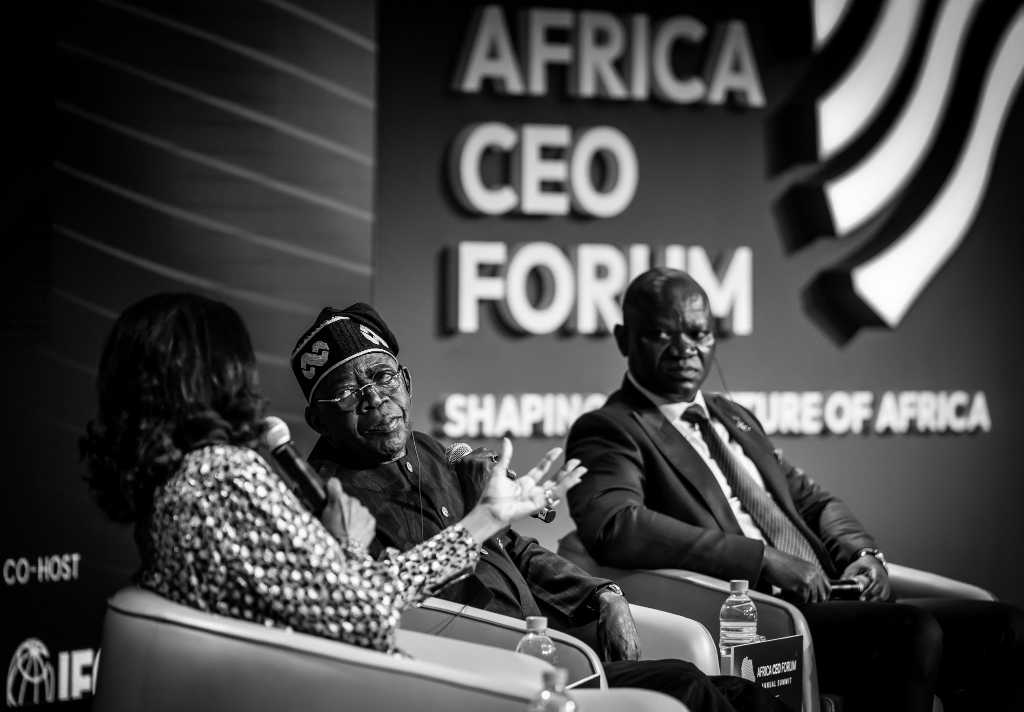
The more I listen to President Tinubu speak on Africa, the more I understand why some people are genuinely uncomfortable with him beyond ordinary politics. The man is not speaking like someone chasing social media applause or emotional claps from angry citizens. He is actually talking like someone who understands power, economics, history and the systems that have kept Africa mentally and financially dependent for generations.
When he said Africa cannot continue being a “price-taker” on its own resources, that line hit me personally because that has been the tragedy of this continent for decades. Africa holds about 30% of the world’s mineral reserves, yet contributes less than 3% to global manufacturing output. Think about that deeply. We own the raw materials but others control the processing, pricing, shipping, exchanges and profits.
Africa exports crude oil and imports refined fuel. Africa exports cocoa and imports expensive chocolate. Africa exports lithium and cobalt, then buys back batteries and electronics at premium prices from countries that barely have those resources naturally. Somewhere along the line, Africans became workers inside a system designed for others to remain owners.
And the painful part is that many Africans themselves are comfortable with this structure. They complain about colonialism every day but panic anytime an African leader starts talking about African-controlled systems, African commodity exchanges, African currencies and African bargaining power. One foreign rating agency coughs and African elites start shaking immediately.
Tinubu saying “Why don’t you start one?” when asked about Africa building its own exchange platform is exactly the kind of mindset this continent has lacked for years. Direct. Bold. Unapologetic. No begging. No victim mentality.
People don’t realize that commodity exchanges are part of how global power is controlled. London, New York and Chicago help determine prices for resources produced in Africa while intra-African trade still struggles below 20%. That is structural dependence.
This is why I laugh whenever some Nigerians reduce Tinubu to ordinary local politics and Twitter insults. While many politicians are still trapped inside “Nigeria is finished” speeches every week, Tinubu is discussing industrialization, African markets, manufacturing, commodity exchanges and continental economic influence with global investors and African leaders. That conversation is bigger than local politics.
Honestly, many people attacking him do not even know that they are defending the same dependency structure that has kept Africa weak for decades. Some Africans trust foreign validation more than they trust their own continent. That inferiority complex is one of Africa’s biggest problems.
Africa can never become powerful while exporting raw materials cheaply and importing finished products at expensive prices. Africa can never negotiate from strength while Africans themselves do not believe in African-owned institutions.
For the first time in a long while, I am hearing a Nigerian President stand confidently on international stages and speak less like a local politician and more like somebody thinking about the future economic power of Africa itself.
I'm so happy to say that Nigeria is in safe hands with President Bola Ahmed Tinubu!!
You can follow Mazi.NnaEmeka on X (formerly Twitter) @EmmyPromise71
Source: https://x.com/i/status/2055257660451143895
#penglobaldiscourse #Tinubu #Africa